
Greentube / Novomatic Interactive
Designing scalable UI systems, visual hierarchies, and production-ready interfaces across 50+ regulated gaming products for desktop and mobile platforms.
Digital
Pioneering
At Greentube / Novomatic Interactive, I worked on a large portfolio of regulated online gaming products during a major shift from traditional desktop-based gaming experiences toward browser-based and mobile-ready digital products.
My role focused on creating high-quality UI systems, visual hierarchies, and production-ready interface assets that could support rich visual themes while still respecting technical constraints, performance needs, game rules, payout logic, and regulatory requirements.
Over a decade, I learned how to balance entertainment value with clarity, consistency, implementation quality, and platform ergonomics — a foundation that still shapes how I approach complex digital products today.
The Craftsmanship Pipeline
Strong gaming UI design starts long before final pixels. Each product required a complete visual and technical pipeline — from early sketches and thematic exploration to final engine-ready assets.

// Phase 01: Concept Sketching
Early pencil sketches helped define characters, themes, atmosphere, and visual direction before production began.

// Phase 02: Digital UI & Visual Design
The selected direction was developed into polished UI elements, symbols, panels, buttons, and screen compositions aligned with the game's theme and readability requirements.
// Phase 03: Engine-Ready Asset Delivery
Final assets were prepared for implementation with attention to pixel precision, export quality, file structure, and performance constraints.
This pipeline required both visual craft and technical discipline: every asset had to look engaging, remain readable, and survive real production conditions across different devices and markets.
Mobile Game Interfaces
Mobile Game Interfaces
Designed for real hands, not scaled-down desktops.
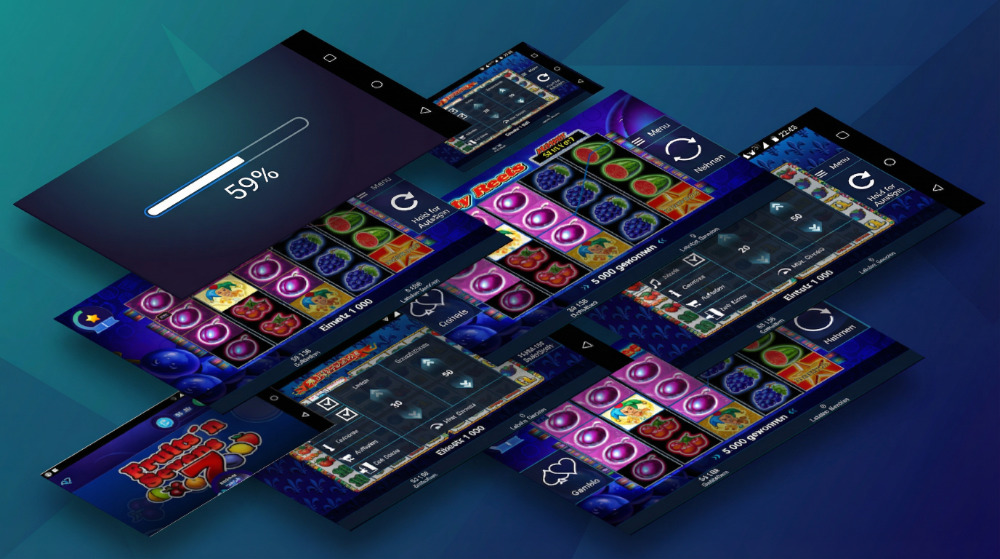
These mobile versions were not simple desktop reductions. They were purpose-built interfaces adapted for touch interaction, landscape play, and fast decision-making on smaller screens.
Core actions such as Spin, Gamble, Take, Menu, Bet, and Auto features had to remain instantly accessible while preserving clarity, balance, and the visual identity of each title. Over multiple iterations, I refined control placement, touch target sizing, and information hierarchy to make the experience feel natural on handheld devices.
This work required a strong understanding of ergonomic interaction design: large human fingers, limited screen space, fast visual recognition, and zero ambiguity during high-focus gameplay moments.
- // Touch-optimized controls
- // Large tap targets
- // Landscape-first interaction
- // Fast access to core actions
- // Clear hierarchy for balance, bet, and win states
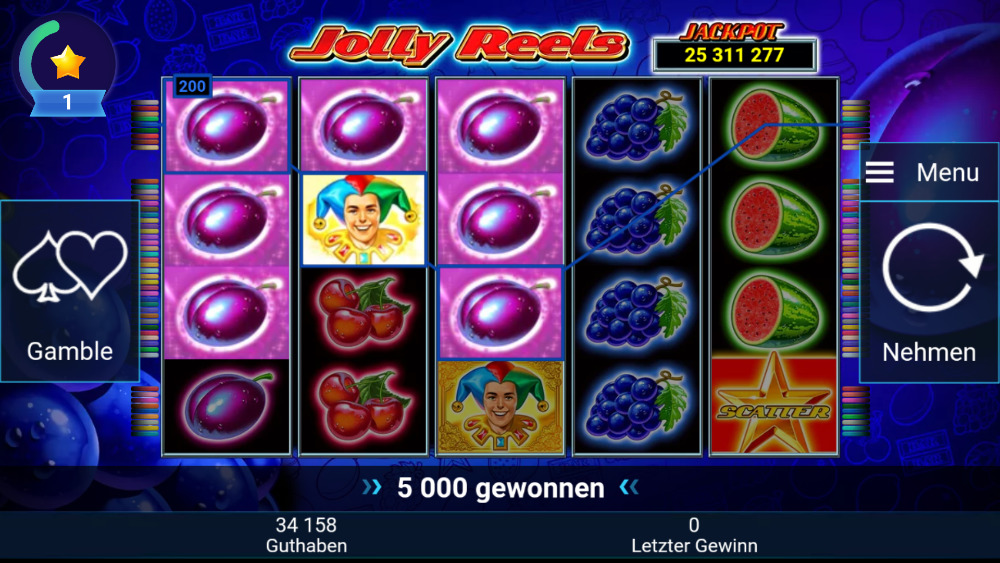
Dedicated mobile layout
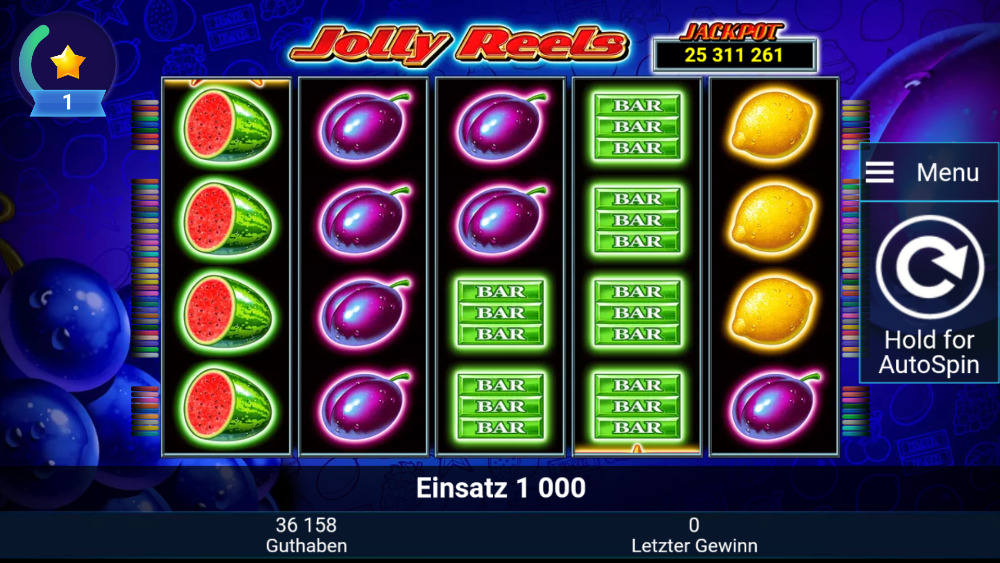
Touch-first side controls
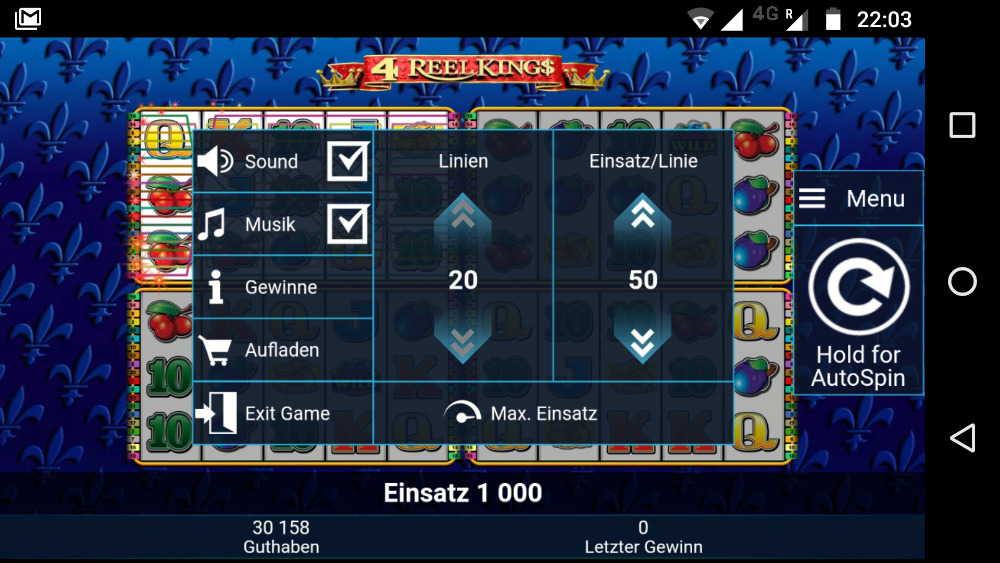
Settings and action hierarchy
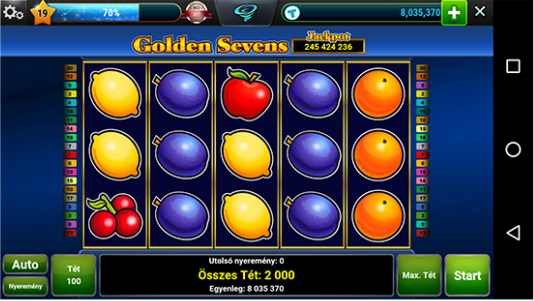
Iterative mobile refinement
Lobby Behavior & Player Psychology
Why a simple machine grid still matters.
The lobby may look visually simple—a machine with a small figure indicating occupancy—but its value goes far beyond decoration. Over time, I observed that players often built their own reading of the lobby: they checked which machines appeared active, which had been played recently, and which felt "hot" based on visible usage patterns.
Whether or not those assumptions reflect actual outcomes, the interface clearly supported a familiar decision ritual. Players used the lobby as a psychological orientation layer—a way to scan, compare, and choose where to play next. This made the machine-grid metaphor highly resilient and helped explain why the concept remained effective across both desktop and mobile environments.
For me, this was an important lesson in product design: sometimes a visually simple interface survives because it aligns with user belief, habit, and perceived control.
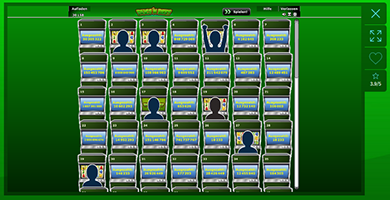
- // Familiar machine-grid metaphor
- // Occupancy visibility
- // Fast visual scanning
- // Supports player decision rituals
- // Cross-platform continuity
Global
Portfolio
My work covered a wide range of game types, from global video slots to competitive skill games. Each genre required different UX priorities: fast readability, clear betting states, understandable rules, strong visual hierarchy, and consistent interaction patterns.
The challenge was not only to create attractive interfaces, but to make complex game logic feel immediate and understandable. Players needed to recognize states, actions, rewards, risks, and feedback without friction.
Across a large product portfolio, consistency became as important as visual creativity. Reusable UI patterns, recurring control structures, and production conventions helped keep quality coherent — an early form of design-system thinking applied to regulated gaming products.
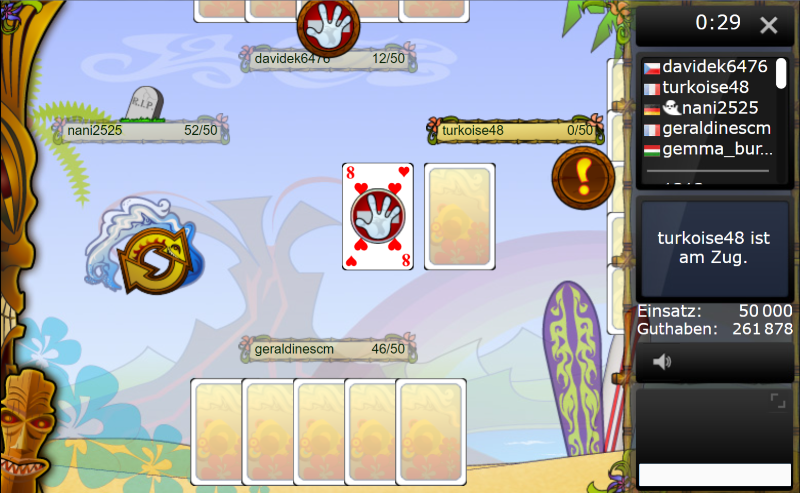
Competitive Skill Gaming
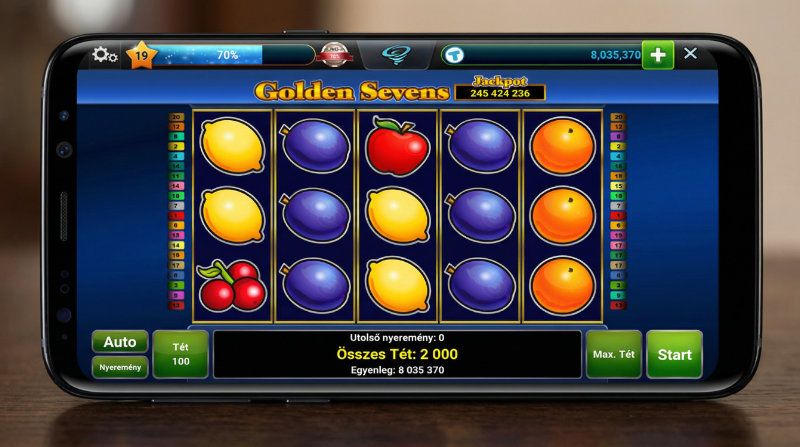
Global Video Slots
Consistency at Scale
A decade at Novomatic Interactive taught me that consistency is as important as creativity. In a regulated gaming environment, great UI must be engaging, readable, technically precise, and reliable across every platform.